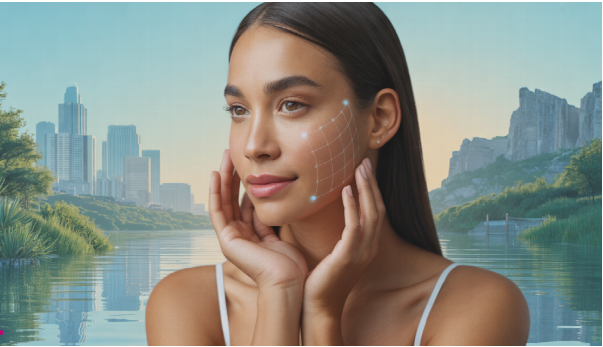
In Austin’s thriving creative community, photographers face a paradox: they capture beauty for a living while their own skin endures relentless environmental stress. Between marathon outdoor sessions under Texas sun and the artificial lighting of studio work, maintaining healthy skin isn’t vanity—it’s professional maintenance.
The city’s unique climate compounds these challenges. Austin’s intense UV exposure, combined with sudden temperature shifts between air-conditioned studios and outdoor locations, creates a perfect storm for skin damage. For photographers whose appearance directly impacts client confidence and professional credibility, addressing these concerns requires more than drugstore solutions.
The Occupational Hazards of Photography
Professional photographers accumulate skin damage in ways office workers never experience. The risks are both immediate and cumulative:
- Chronic UV exposure: Outdoor shoots mean hours of direct sunlight, often during peak intensity periods when lighting is ideal
- Environmental extremes: Rapid transitions between climate-controlled studios and outdoor heat stress the skin’s protective barrier
- Contact irritants: Stage makeup, equipment cleaning solvents, and grip tape adhesives can trigger reactions
- Irregular schedules: Late shoots and early calls disrupt sleep patterns, accelerating visible aging
Outdoor workers face significantly elevated risks for skin cancer and photoaging. Regular dermatological screening becomes essential rather than optional for anyone spending substantial time in direct sunlight.
Beyond cancer screening, dermatologists address the cosmetic concerns that matter professionally. Hyperpigmentation, premature wrinkles, and persistent redness all undermine the polished appearance clients expect from their photographer.
Selecting the Right Dermatological Partner
Austin’s dermatology landscape ranges from corporate chains to boutique practices. Finding the right fit requires looking beyond convenience:
- Board certification matters: Verify credentials through the American Board of Dermatology rather than relying on marketing claims.
- Specialization alignment: Some practices focus heavily on cosmetic procedures while others emphasize medical dermatology—choose based on your primary needs.
- Technology investment: Advanced practices offer laser treatments, photodynamic therapy, and other innovations unavailable at basic clinics.
- Communication style: The best technical skills mean little if the dermatologist doesn’t explain options clearly or listen to your concerns.
The American Academy of Dermatology provides detailed guidance on evaluating credentials and asking the right questions during initial consultations. Their resources help distinguish between marketing hype and genuine expertise.
For photographers with irregular schedules, appointment flexibility becomes crucial. Some Austin practices offer early morning or evening slots that accommodate unconventional work hours.
Treatment Options Beyond Basic Skincare
Modern dermatology extends far beyond acne cream and sunscreen recommendations. Austin practices now offer sophisticated interventions that address both medical and aesthetic concerns:
- Preventive screening: Full-body skin mapping with digital photography tracks changes over time, catching melanomas when they’re most treatable.
- Targeted photoaging reversal: Fractional lasers, chemical peels, and retinoid protocols reduce sun damage accumulated over years of outdoor work.
- Barrier repair protocols: Medical-grade moisturizers and prescription treatments restore skin compromised by environmental stress.
- Minimally invasive rejuvenation: Neuromodulators and dermal fillers address expression lines and volume loss without downtime that disrupts work schedules.
Many Austin dermatologists now customize combination protocols rather than relying on single treatments. A photographer dealing with both sun damage and dehydration might receive laser resurfacing paired with prescription barrier repair, creating synergistic results impossible with over-the-counter products alone.
The South Austin Advantage
South Austin has emerged as a hub for dermatological innovation, with practices that cater specifically to the city’s creative professionals. The area’s clinics often emphasize natural-looking results over dramatic transformations—an approach that resonates with photographers who need to look refreshed rather than obviously “done.”
Several factors make South Austin particularly attractive for dermatological care. The concentration of practices creates competitive pressure that drives both quality and innovation. Clinics in the area frequently invest in the latest technology to differentiate themselves, giving patients access to treatments that might not be available elsewhere in the city.
Location matters practically as well. South Austin’s central position makes it accessible from both downtown studios and the outdoor shooting locations around Zilker Park and Barton Springs. This geographic convenience reduces the friction of maintaining regular appointments.
Building a Long-Term Skin Health Strategy
Episodic dermatology visits—showing up only when problems become severe—miss the point entirely. Effective skin health requires ongoing partnership with a provider who understands your baseline and can detect subtle changes.
Establishing continuity with a single practice creates several advantages:
- Baseline documentation: Initial comprehensive exams create reference points for detecting new lesions or changes in existing moles
- Treatment refinement: Your dermatologist learns how your skin responds to different interventions, avoiding trial-and-error repetition.
- Preventive planning: Regular check-ins allow for proactive interventions before minor issues become major problems.
- Efficiency gains: Established patients typically get faster appointment scheduling and more streamlined visits.
For photographers, this continuity proves especially valuable when preparing for important events. A dermatologist familiar with your skin can time treatments to ensure you look your best for major shoots or industry gatherings without risking adverse reactions from unfamiliar procedures.
The relationship also enables honest conversations about realistic expectations. A trusted dermatologist will discourage unnecessary treatments while recommending interventions that genuinely address your concerns—a level of candor impossible during one-off consultations.
Investing in Professional Appearance
Photographers understand better than most that appearance influences perception. The same principles that make you carefully compose shots and control lighting apply to personal presentation. Healthy, well-maintained skin signals professionalism and attention to detail—qualities clients want in someone documenting their important moments.
The investment extends beyond aesthetics. Early detection of skin cancer dramatically improves treatment outcomes and reduces both medical costs and career disruption. Regular dermatological care functions as insurance against problems that could otherwise derail your work and health.
Austin has a wide range of dermatology options, from hospital-affiliated clinics and larger multi-office groups to practices like Revelus Dermatology. Whichever you choose, it helps to find a provider who asks how your skin affects your work and daily routine, not only what it looks like on the day of the visit.
