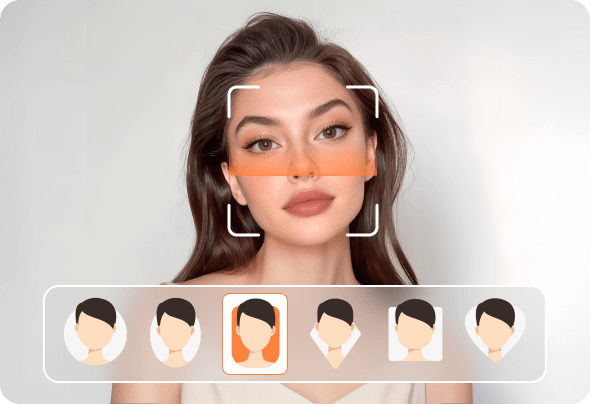
Your face shape can affect how glasses, hairstyles, hats, and even makeup look on you. Yet many people choose these details by instinct. Then they wonder why the result feels slightly off.
How can a person know about their face shape? Could a simple photo reveal a clearer answer? Yes, that’s possible these days.
Online tools can make this check easier. Just upload your photo to an online face shape detector, and you will know your face shape.
Let’s learn more about it!
Why Do You Need to Know About Your Face Shape?
Do you often purchase fashionable items that look great on others? However, when you wear them, they don’t suit you at all. Eventually, you lose money and sometimes confidence. Knowing your face shape gives you a useful reference for personal grooming and style choices.
Here are several practical reasons to identify it:
- Hairstyle Choices: Find cuts that suit your facial proportions.
- Eyewear Selection: Compare frames that balance your face visually.
- Makeup Placement: Adjust contour and blush placement more thoughtfully.
- Hat Selection: Choose shapes that complement your facial outline.
- Style Planning: Evaluate personal options with a useful reference.
Best Way to Identify Your Face Shape Online
Sometimes, we get help from our acquaintances about our face shapes. Yes, they can help. However, their observations are usually not backed by data. So, they can make mistakes when guessing your face shape. Trusting their opinion, you make fashion choices and regret them later.
Instead of asking others, you can opt to use a reliable face shape detector. Using this tool is the best option, as it follows a structured approach. It examines your photos and estimates your shape from visible proportions and outline. Then it provides precise results in simple language.
Tips for More Precise Results
Use Clear, Well-Lit Photos
Don’t upload any random photo to the tool. Instead, pick photos that are well-lit and clear. Actually, good lighting helps the tool analyze all angles of your face. It can learn about the edges of your face. Choose a photo taken in even light, preferably from the front. Keep your face sharp. Moreover, avoid dark rooms, bright windows behind you, or harsh light from one side.
Pull Your Hair Back
Hair can hide the temples, cheeks, and jawline. It makes the facial outline harder to assess. Pull long hair behind your head or ears before taking the photo. Keep loose strands away from the sides. Eventually, the detector can see your full outline.
Remove Accessories
Glasses, large earrings, hats, and other accessories can cover key areas around your face. Before you capture a photo to provide to the tool, remove them. This gives the detector a clearer view of your face. It can easily measure your facial features.
Face the Camera Straight
A tilted head can change the apparent width and length of your face. Hold the camera at eye level. Moreover, look directly into the lens. Keep your head centered. Your shoulders should be relaxed. And your chin must be in a natural position during the photo.
Avoid Filters and Heavy Makeup
Filters can smooth edges. They reshape features or change facial proportions. So, the face shape detector doesn’t get the actual data. Heavy makeup can also alter the visible outline around your cheeks and jaw. Use a natural photo with minimal makeup. This way, the detector can assess your actual facial structure.
Conclusion
Identifying your face shape is essential. It can give you a practical starting point. Using the data, you can choose the right hairstyles, glasses, and other personal style options. A face shape detector makes the process easier. It examines the visible outline and proportions of your face.
Still, the quality of that photo can affect the result. So, photo preparation deserves attention. Use even lighting when taking photos. Moreover, keep your hair away from your face and remove accessories. And finally, face the camera directly. Then compare the result with your own facial outline. A clear, careful check can give you a more useful answer.
