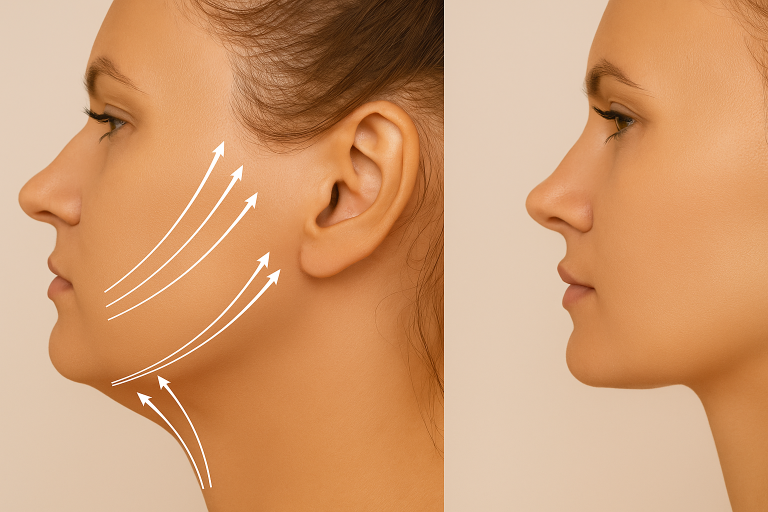
A well-defined jawline is often associated with balanced facial proportions. However, excess fullness beneath the chin can make the lower face appear rounder, even among individuals who maintain a healthy weight. Commonly known as a double chin, this concern can affect people of different ages and body types.
A double chin develops when additional fat, loose skin or underlying facial structure creates fullness in the area between the chin and neck. Although it is often associated with weight gain, genetics and ageing can also contribute to its appearance.
Understanding the causes and available treatment options can help individuals make informed decisions about improving their facial contours.
What Causes a Double Chin?
Several factors can contribute to submental fullness, the medical term for excess tissue beneath the chin.
- Genetics
Genetic factors influence facial structure, fat distribution and natural skin elasticity. Some people may develop a double chin even when their overall body weight is within a healthy range.
- Weight Gain
When the body stores additional fat, some of it may accumulate beneath the chin. However, fat distribution varies between individuals, so weight gain does not affect everyone’s jawline in the same way.
- Ageing and Skin Laxity
As people age, collagen and elastin levels gradually decline. These proteins help maintain skin firmness and elasticity. Reduced structural support can cause the skin around the chin and neck to become looser, making existing fullness more noticeable.
- Facial and Jaw Structure
A naturally smaller or recessed chin can create the appearance of a less defined jawline. In these cases, the concern may be related to facial proportions rather than excess fat alone.
- Posture
Frequently looking down at mobile devices can contribute to poor neck posture. Although posture alone does not create submental fat, it can influence how the chin and neck area appear.
Can a Double Chin Be Reduced Without Surgery?
Yes, certain non-surgical treatments may help improve the appearance of a double chin. The most appropriate approach depends on whether the primary concern is localised fat, loose skin or a combination of both.
For people exploring double chin fat treatment, a professional assessment is a useful starting point. It helps determine whether fat reduction, skin tightening or another approach is more suitable.
Non-surgical procedures generally aim to improve facial contour without traditional surgical incisions. However, results vary, and these treatments cannot guarantee a particular jawline shape.
Popular Non-Surgical Double Chin Treatment Options
Different technologies work in different ways. Understanding their mechanisms can help individuals discuss suitable options with an aesthetic doctor.
1. Fat Freezing with Clatuu Alpha
Cryolipolysis, commonly known as fat freezing, uses controlled cooling to target selected fat deposits. The treated fat cells are gradually processed and removed by the body’s natural metabolic processes.
Clatuu Alpha uses a 360-degree cooling approach and may be considered for suitable individuals with localised fat beneath the chin.
The procedure does not involve surgical removal of fat. Some temporary effects, such as redness, swelling, bruising, tenderness or altered sensation, may occur. Rare complications can also happen, so patients should discuss the potential risks before treatment.
2. Ultraformer MPT HIFU
High-intensity focused ultrasound (HIFU) delivers concentrated ultrasound energy to targeted tissue layers. Depending on the treatment settings and depth, it can support collagen remodelling and skin tightening.
Ultraformer MPT is one option offered at TruGlow Medical Aesthetics for concerns involving the lower face and chin area. It may be considered when submental fullness is accompanied by mild to moderate skin laxity.
Some patients experience temporary tenderness, redness or swelling. Treatment suitability depends on individual anatomy and the amount of fat and loose skin present.
3. Oligio Radiofrequency Treatment
Radiofrequency (RF) technology delivers controlled thermal energy into the skin and underlying tissue. This heating can stimulate collagen remodelling and may help improve skin firmness.
Oligio RF is primarily a skin-tightening approach rather than a dedicated fat-removal procedure. It may be considered when reduced skin elasticity contributes to an undefined jawline.
The treatment may cause temporary redness, swelling or tenderness. A clinical assessment helps determine whether RF tightening is appropriate for the individual’s concerns.
How to Choose the Right Treatment
Not every double chin requires the same procedure. Someone with a noticeable localised fat deposit may need a different approach from someone whose main concern is loose skin.
During an assessment, the doctor may consider:
- The amount and distribution of fat beneath the chin
- Skin firmness and elasticity
- Facial and jaw structure
- Medical history and existing health conditions
- Previous aesthetic procedures
- Desired changes and realistic expectations
For example, fat freezing may be considered for selected localised fat deposits, while focused ultrasound or radiofrequency may be more relevant when skin laxity is a significant factor.
In some cases, non-surgical treatment may not provide the desired degree of improvement. Patients should be informed about alternative approaches and their associated risks.
What to Expect During a Treatment Consultation
A consultation generally begins with a discussion of the patient’s concerns and aesthetic goals. The doctor examines the chin and neck area to understand whether the appearance is primarily related to fat accumulation, skin laxity or facial structure.
The recommended procedure, expected results, number of sessions, recovery period and possible side effects should all be explained before treatment.
At TruGlow Medical Aesthetics in Singapore, options for double chin reduction include Clatuu Alpha fat freezing, Ultraformer MPT and Oligio RF. The clinic’s medical team assesses individual needs before recommending a suitable approach.
The clinic is located at The Heeren, 260 Orchard Road, Singapore.
Maintaining a More Defined Jawline
Professional aesthetic procedures are only one part of managing facial appearance. Healthy lifestyle habits can also help maintain overall well-being.
Maintain a balanced diet: A nutritious diet with appropriate portions can support a healthy body weight.
Exercise regularly: Physical activity supports general health and weight management. However, exercises cannot selectively remove fat beneath the chin.
Stay hydrated: Adequate water intake supports normal bodily functions and general skin health.
Protect the skin from sunlight: Regular broad-spectrum sunscreen use helps reduce UV-related skin damage and premature ageing.
Maintain good posture: Keeping screens closer to eye level and avoiding prolonged forward-head positioning can improve neck alignment.
These habits may support general health, but they cannot guarantee the removal of a double chin caused by genetics or facial structure.
Making an Informed Decision About Double Chin Reduction
A double chin can develop for several reasons, including genetics, fat distribution, ageing and facial anatomy. Identifying the underlying cause is important before selecting a treatment.
For individuals considering double chin fat treatment, a consultation with a qualified medical aesthetic professional can help clarify the available options. Treatments such as Clatuu Alpha, Ultraformer MPT and Oligio RF address different aspects of submental fullness and skin firmness.
Rather than choosing a procedure based solely on popularity, patients should consider their individual anatomy, treatment goals, possible risks and realistic expectations. A personalised approach can help them make a more informed decision about improving the appearance of the chin and jawline.
