Understanding Material Handling
Material handling plays an important role in warehouses, manufacturing facilities, distribution centers, construction projects, and industrial environments where businesses regularly move, store, lift, and transport different types of products. Material handling equipment helps organizations manage these activities more efficiently by reducing manual labor, improving workflow, and supporting the safe movement of heavy or bulky materials. Businesses that depend on consistent product movement need reliable machinery to prevent unnecessary delays and maintain organized operations. From transporting pallets and loading delivery vehicles to positioning products on storage racks, the right equipment can make everyday responsibilities easier to manage. Companies should evaluate their operational requirements, available workspace, material dimensions, and lifting capacities before selecting suitable machinery. A well-planned equipment strategy improves productivity, reduces handling errors, and allows employees to complete demanding tasks with greater accuracy while maintaining a safer working environment.
Choosing Suitable Equipment
Selecting appropriate machinery requires a clear understanding of the materials being handled and the conditions in which equipment will operate. Material handling equipment comes in different types and configurations, each designed to support particular industrial applications and operational requirements. Some businesses need machinery capable of lifting heavy pallets, while others require equipment for transporting products through narrow warehouse aisles or moving supplies across large industrial facilities. Factors such as load capacity, lifting height, turning radius, operating surface, and equipment dimensions should influence the selection process. Companies must also consider how frequently machinery will be used and whether their employees have the necessary training to operate it properly. Choosing equipment based on actual working conditions helps prevent unnecessary expenses and improves overall performance. A suitable selection process ensures that businesses have dependable resources for completing daily handling activities while supporting operational efficiency and workplace safety.
Improving Warehouse Productivity
Warehouses depend on organized material movement to receive shipments, arrange inventory, replenish storage locations, and prepare products for delivery. Material handling equipment helps employees complete these responsibilities by making it easier to transport heavy goods, position pallets, and move products between different departments. When machinery is suitable for the warehouse layout, workers can complete repetitive handling activities more efficiently and reduce unnecessary physical effort. Businesses should also organize storage areas, establish clearly marked travel routes, and maintain sufficient clearance around racks and loading zones to support smooth equipment movement. Poorly planned layouts can create congestion, increase handling time, and make routine activities more difficult. Warehouse managers should coordinate equipment use with receiving, picking, packing, and shipping schedules to maintain an efficient workflow. Combining appropriate machinery with effective inventory procedures helps organizations reduce delays, improve order accuracy, and make better use of available storage space.
Supporting Heavy Lifting
Industrial operations frequently involve lifting and transporting materials that are too heavy, bulky, or difficult to move manually. Material handling equipment provides practical solutions for these demanding tasks by helping employees handle pallets, machinery components, construction supplies, and packaged products more efficiently. Forklifts, pallet trucks, lifting devices, and other industrial machines can reduce the physical demands associated with repetitive material transportation. However, businesses must select machinery according to the weight, dimensions, and stability of the materials being handled. Operators should always understand the equipment’s rated capacity and follow manufacturer instructions when lifting or transporting loads. Overloading machinery or handling unstable materials can create serious safety risks and damage valuable products. Regular inspections, appropriate operator training, and clearly established safety procedures help reduce these risks. When businesses combine suitable machinery with responsible operating practices, they can improve handling efficiency while protecting employees and workplace assets.
Forklift Applications
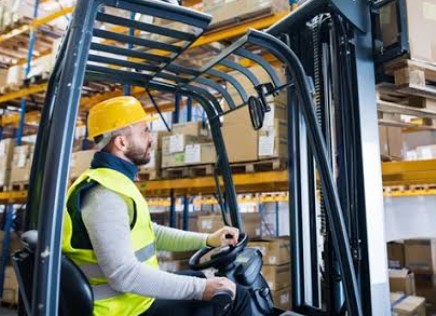
Forklifts are among the most widely used machines in industrial material transportation because they can lift, carry, and position palletized products efficiently. Material handling equipment such as forklifts supports warehouse storage, manufacturing activities, distribution operations, and construction projects that involve frequent movement of heavy supplies. Different forklift models are designed for different working environments, making it important to evaluate load capacity, lifting height, turning space, and operating conditions before selecting a machine. Electric forklifts may be suitable for certain indoor applications, while other models may be better suited to specific outdoor tasks. Businesses should also consider whether they need equipment permanently or only during temporary increases in workload. Renting suitable machinery can help organizations manage short-term requirements without making a substantial purchase commitment. Proper equipment selection and operator training allow companies to improve material transportation, maintain organized facilities, and support consistent industrial productivity.
Reducing Operational Costs
Managing industrial expenses requires businesses to evaluate the complete cost of operating machinery rather than focusing only on the initial purchase price. Material handling equipment can represent a significant investment, particularly when companies need several machines to support different departments and operational activities. Equipment ownership may involve maintenance, repairs, replacement parts, inspections, insurance, storage, and unexpected downtime. These expenses can increase when machinery is used infrequently or when business requirements change throughout the year. Companies should compare purchasing and rental arrangements according to their expected usage, project duration, and financial priorities. Renting can provide flexibility for temporary assignments, seasonal demand, or additional production requirements, while ownership may be appropriate for machinery used consistently over long periods. A detailed financial assessment helps managers understand the total costs associated with each option. Careful planning allows businesses to maintain the equipment they need while controlling unnecessary expenses and protecting their operating budgets.
Improving Workplace Safety
Workplace safety is an essential consideration whenever employees operate lifting machinery or transport heavy materials. Material handling equipment must be selected, inspected, and operated according to established safety requirements to reduce the possibility of accidents and equipment damage. Workers should understand the operating limits of each machine and ensure that loads are positioned securely before transportation. Overloading, unstable pallets, restricted visibility, and sudden movements can increase the risk of falling materials or equipment instability. Businesses should establish designated travel routes, maintain clear pedestrian pathways, and provide appropriate training to employees who work around industrial machinery. Operators should also complete required inspections before using equipment and report mechanical defects immediately. Regular safety assessments can help managers identify potential hazards and improve operating procedures. A strong safety culture protects employees, preserves valuable inventory, and supports consistent productivity by reducing avoidable workplace interruptions.
Managing Inventory Efficiently
Effective inventory management depends on accurate product movement, organized storage, and consistent communication between different departments. Material handling equipment helps businesses transport products from receiving areas to storage locations and move inventory toward picking, packing, and shipping stations. When machinery is appropriate for the facility, employees can organize pallets more efficiently and reduce the time required to retrieve or relocate products. Companies should establish clear storage systems, use accurate inventory labels, and arrange materials according to their dimensions, weight, and handling requirements. Frequently accessed products should be positioned where employees can retrieve them without unnecessary movement or congestion. Businesses can also coordinate equipment operations with inventory management software to improve stock visibility and maintain accurate records. These procedures reduce misplaced products, improve order preparation, and support more reliable distribution activities. Combining suitable machinery with organized inventory practices allows businesses to use available storage capacity more effectively while maintaining smooth daily operations.
Equipment for Construction
Construction projects involve continuous movement of building supplies, structural components, packaged materials, and heavy tools between different work areas. Material handling equipment supports these activities by helping contractors transport essential supplies while reducing unnecessary manual labor and project delays. Different construction environments may require different machinery depending on ground conditions, load dimensions, available access, and lifting requirements. Project managers should evaluate these factors before arranging equipment to ensure that selected machines can perform the required tasks safely. Equipment availability should also be coordinated with delivery schedules and construction activities so that materials can be moved when needed. Poorly planned transportation can create congestion, obstruct access routes, and interfere with other contractors. Regular communication between project managers, equipment operators, and suppliers helps maintain an organized worksite. With suitable machinery and effective planning, construction teams can manage heavy materials more efficiently and maintain better control over project schedules.
Maintaining Equipment Reliability
Reliable machinery is necessary for businesses that depend on uninterrupted material transportation throughout the working day. Material handling equipment requires regular inspections and preventive maintenance to maintain safe operation and reduce the possibility of unexpected mechanical failures. Operators should check important components before use and report unusual noises, fluid leaks, damaged tires, faulty controls, or other warning signs. Maintenance teams should follow manufacturer recommendations for servicing, lubrication, replacement parts, and scheduled inspections. Businesses should also maintain accurate service records to identify recurring problems and plan maintenance activities before they affect productivity. Equipment that develops a mechanical issue should be inspected by qualified personnel before returning to operation. Neglecting maintenance can increase repair expenses, create workplace hazards, and cause unnecessary interruptions. A consistent maintenance program helps organizations protect their equipment investments, improve operational reliability, and maintain dependable material handling performance across different departments.
Selecting the Right Forklift
Choosing a suitable forklift requires businesses to evaluate their specific lifting and transportation requirements. Material handling equipment should match the type of loads being moved, the available working space, and the operating conditions of the facility. Important considerations include rated lifting capacity, mast height, load center, turning radius, tire type, and power source. A machine that works effectively in a large distribution center may not be suitable for a warehouse with narrow aisles or limited clearance. Businesses should also determine whether their operations require specialized attachments or additional lifting capabilities. Equipment specifications should always be reviewed before assigning a forklift to a particular task, especially when handling unusually shaped or heavy materials. Operators must receive appropriate training and understand the limitations of the machinery they use. Careful selection helps companies improve productivity, reduce handling difficulties, and maintain safer operations while ensuring that equipment supports their actual business requirements.
Improving Loading Operations
Loading and unloading activities are important parts of warehouse, transportation, and distribution operations. Material handling equipment helps employees transfer goods between delivery vehicles, loading docks, storage areas, and production facilities without relying entirely on manual handling. Efficient loading procedures can reduce waiting times, improve shipment organization, and help businesses maintain consistent delivery schedules. Companies should ensure that loading areas provide adequate space for equipment movement and that materials are arranged in a way that allows operators to access them safely. Employees should inspect pallets, verify load stability, and confirm that goods are positioned correctly before transportation. Clear communication between drivers, warehouse workers, and equipment operators also helps prevent confusion during busy loading periods. Businesses should establish procedures for managing different load sizes and handling requirements to reduce the possibility of damaged products. Appropriate machinery and organized loading practices contribute to faster material movement and more dependable distribution operations.
Handling Specialized Materials
Some industrial businesses work with materials that require additional attention because of their size, weight, shape, or handling characteristics. Material handling equipment must be selected according to these specific requirements to ensure that products can be transported and positioned safely. Manufacturing facilities may handle large components, packaged machinery, metal products, or fragile materials that require specialized lifting arrangements. Businesses should evaluate whether standard equipment is sufficient or whether particular attachments and handling accessories are necessary. Load stability, center of gravity, lifting points, and available clearance should be considered before moving specialized materials. Employees must receive instructions about the correct handling procedures and understand the limitations of the equipment being used. Proper preparation helps prevent product damage and reduces the risk of workplace accidents. By identifying specialized requirements before beginning operations, businesses can choose suitable machinery and maintain more reliable handling procedures.
Planning Equipment Requirements
Effective equipment planning allows businesses to maintain the right balance between machinery availability, operating expenses, and changing workload requirements. Material handling equipment needs may increase when companies expand their facilities, introduce new products, receive larger shipments, or undertake additional manufacturing projects. Managers should regularly evaluate equipment utilization, maintenance records, operating hours, and production schedules to determine whether existing machinery remains sufficient. Identifying recurring equipment shortages can help businesses make informed decisions about purchasing additional machines or arranging temporary equipment. Planning should also account for operator availability, training requirements, storage space, and servicing schedules. Businesses that review their requirements regularly can avoid unnecessary purchases and reduce the risk of operational interruptions. A flexible equipment strategy supports better resource allocation and allows companies to respond to changes without compromising productivity. Careful planning ultimately helps maintain efficient operations and supports long-term business growth.
Choosing a Reliable Provider
Working with a dependable equipment provider can make it easier for businesses to identify suitable machinery and manage their material handling requirements. Material handling equipment providers should offer appropriate equipment options, clear technical information, and support that helps customers understand different machinery capabilities. Businesses should evaluate the available equipment range, service arrangements, maintenance procedures, and communication practices before choosing a provider. It is important to confirm that machinery meets the required load capacity, dimensions, and operating conditions. Companies should also understand delivery arrangements, rental terms, and procedures for reporting equipment problems. A provider with knowledge of industrial applications can help businesses compare available solutions and select machinery that matches their operational needs. Establishing a dependable working relationship supports better equipment planning and reduces uncertainty when requirements change. Choosing an experienced provider helps businesses maintain access to suitable machinery and improve the reliability of their daily material handling activities.
Conclusion
Efficient industrial operations depend on suitable machinery, organized workflows, responsible equipment use, and consistent maintenance practices.Material handling equipment helps businesses transport heavy materials, organize inventory, support construction activities, and improve productivity across warehouses and manufacturing facilities. Selecting appropriate machinery requires careful consideration of load capacities, working conditions, operator training, and long-term operating costs. Companies should also evaluate their equipment requirements regularly to ensure that available machinery continues to meet changing business demands. Working with a dependable equipment provider can further support informed decisions and improve operational flexibility. By combining appropriate equipment with effective planning and workplace safety procedures, businesses can reduce unnecessary delays, protect employees, and manage resources more efficiently. A well-developed material handling strategy creates a stronger foundation for consistent productivity, dependable operations, and sustainable industrial growth.
