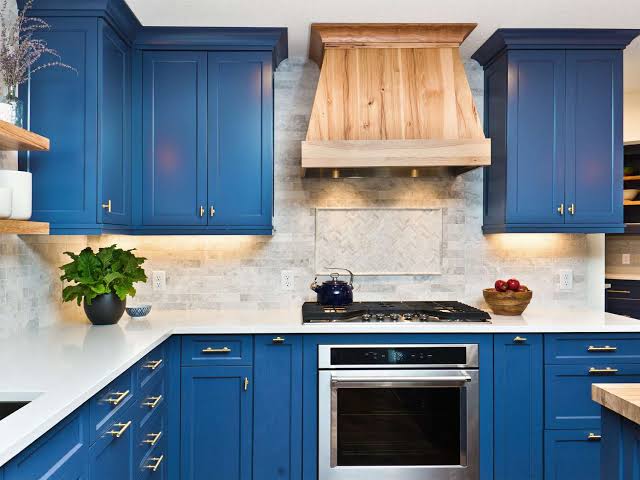
Cabinets play an important role in the appearance, organization, and functionality of kitchens, bathrooms, laundry rooms, and other interior spaces. Over time, cabinet finishes can become faded, scratched, discolored, or outdated, making an otherwise well-maintained room appear tired and less inviting. Replacing existing cabinets may involve significant expenses, construction work, and disruption to everyday routines, particularly when the cabinet boxes remain structurally sound. Professional cabinet painting offers a practical alternative by updating the color and finish of existing cabinetry without requiring a complete replacement. When planned carefully, this improvement can create a cleaner, more contemporary appearance while preserving functional storage and reducing unnecessary material waste. A successful project involves much more than applying a new coat of paint because cabinets contain different surfaces, detailed edges, joints, and frequently handled areas that require specialized preparation. A professional Cabinet Painting service can help property owners select suitable coatings, prepare surfaces correctly, and achieve a consistent finish that complements the surrounding interior design. From choosing colors that coordinate with countertops to applying durable products designed for daily use, every stage contributes to the final result. With appropriate materials, skilled application, and regular maintenance, painted cabinets can become an attractive and practical feature that enhances the overall appearance of a home.
Why Cabinet Painting Is a Practical Home Improvement
Updating cabinets can make a substantial difference to a room because cabinetry often occupies a large portion of the visible wall space. In kitchens, cabinet doors and drawer fronts help establish the overall design alongside countertops, backsplashes, appliances, flooring, and lighting. Bathrooms also benefit from refreshed cabinetry because a clean, coordinated vanity can make the space feel brighter and more organized. When the existing cabinet structure remains stable and functional, painting may provide a more economical improvement than replacing the entire system. It allows homeowners to change the color, refresh worn finishes, and coordinate older cabinets with updated hardware or decorative elements. Professional cabinet painting also offers flexibility because property owners can select traditional, modern, minimalist, or contrasting color schemes according to their preferences. However, the existing finish and material must be evaluated before work begins, as solid wood, engineered wood, laminate, and previously coated surfaces may require different preparation methods and products. A professional assessment helps determine whether painting is suitable and identifies any repairs that should be completed beforehand. Rather than covering structural damage or moisture-related deterioration, the project should address these concerns first. When the cabinets are suitable candidates for refinishing, painting can deliver a meaningful visual improvement while allowing homeowners to retain useful materials and avoid the greater disruption associated with a full cabinetry replacement.
Evaluating Cabinet Condition Before Starting
A careful inspection is essential before beginning any cabinet painting project because the condition of the existing cabinetry determines which preparation and repair methods will be necessary. Cabinet doors may have scratches, chipped edges, loose joints, damaged veneer, or areas where the original coating has started to peel. Kitchen cabinets can also accumulate grease, cooking residue, and fingerprints that interfere with paint adhesion, even when the surfaces appear reasonably clean. Bathroom cabinets may experience moisture exposure that causes swelling, discoloration, or deterioration around sinks and plumbing connections. These problems should be identified before the new coating is applied because paint cannot restore weakened materials or correct an underlying moisture issue. Professional painters examine doors, drawer fronts, cabinet frames, exposed edges, and other visible components to determine whether they can be refinished successfully. Loose hardware may need to be removed, minor surface imperfections repaired, and damaged areas addressed with appropriate materials. Cabinets with extensive water damage or compromised structural integrity may require replacement of individual components before painting becomes practical. Understanding the existing condition also helps establish realistic expectations for the finished appearance, especially when older cabinetry contains deep grain patterns, previous repairs, or uneven surfaces. A thorough evaluation creates a more reliable foundation for the project and reduces the likelihood of discovering avoidable problems after the painting process is already underway.
The Importance of Thorough Cleaning and Preparation
Proper preparation is one of the most important factors in achieving a durable cabinet finish. Unlike ordinary walls, cabinets are frequently touched, opened, closed, and exposed to food residue, cleaning products, moisture, and household oils. These contaminants can prevent paint from bonding properly and may lead to peeling, uneven coverage, or premature wear. Before painting begins, surfaces should be cleaned with an appropriate degreasing product and allowed to dry thoroughly. Depending on the existing finish, sanding or another suitable preparation method may be needed to improve adhesion and reduce surface imperfections. Loose coatings should be removed, damaged areas repaired, and remaining surfaces prepared according to the requirements of the selected primer and paint system. Sanding dust must be removed carefully because small particles can become trapped beneath the finish and create a rough texture. Cabinet doors and drawer fronts are often removed so that edges, corners, and detailed areas can be prepared more consistently. Nearby countertops, appliances, flooring, and other fixtures should also be protected from dust, paint splashes, and accidental damage. Professional Cabinet Painting requires patience during this stage because rushing preparation can undermine the quality of the entire project. Careful cleaning, sanding, repairs, and priming help establish a stable surface, improve the appearance of the final coating, and support better performance under everyday household conditions.
Choosing the Best Colors for Your Cabinets
Color selection can transform the personality of a kitchen or bathroom, making it an important part of the cabinet painting process. White, cream, and other light shades can create a fresh appearance and work well with a wide variety of countertops and wall colors. Soft gray and warm neutral tones may offer a balanced look, while darker colors can introduce contrast and create a more dramatic design. Some homeowners prefer a uniform color throughout the room, whereas others choose contrasting upper and lower cabinets to add visual interest. The right choice depends on the existing materials, available natural light, room dimensions, and the overall atmosphere the homeowner wants to create. Cabinet colors should be considered alongside flooring, backsplashes, countertops, appliances, and wall finishes rather than selected in isolation. Testing sample colors in the actual room can help reveal how changing light conditions influence their appearance throughout the day. Undertones also matter because two shades that appear similar on a paint sample may look noticeably different when placed next to wood, stone, or other finishes. Professional painters can help homeowners evaluate these relationships and choose a palette that feels coordinated rather than overwhelming. Selecting a timeless color may also make it easier to update decorative accessories in the future without repainting the entire cabinet system. Thoughtful color planning helps ensure that the finished cabinetry complements the room and contributes to a cohesive, attractive interior.
Selecting Durable Paint and Suitable Primers
The products used for cabinet painting should be selected according to the cabinet material, existing finish, expected level of use, and environmental conditions. Cabinets require coatings that can withstand frequent handling, routine cleaning, and occasional contact with moisture or household substances. Ordinary wall paint may not provide the same performance as a product specifically designed for cabinets, doors, trim, or other frequently used surfaces. The primer is equally important because it helps prepare the substrate and promotes adhesion between the existing surface and the finish coat. Certain materials, including laminate and previously finished wood, may require specialized bonding primers to create a suitable base for the selected paint. The compatibility of the primer and topcoat should be checked carefully to avoid adhesion problems or other finish defects. Professional painters consider factors such as coverage, application method, drying time, curing requirements, and the manufacturer’s instructions when selecting products. The desired appearance also influences the choice because different coatings can produce smooth, low-sheen, satin, or more reflective finishes. A durable coating should be appropriate for the cabinet’s intended use rather than selected exclusively because it offers a particular color or price. Using compatible materials and allowing each layer to dry and cure properly helps improve the consistency and performance of the finished surface. Product selection therefore deserves careful attention because even excellent workmanship may produce disappointing results when unsuitable coatings are applied to inadequately prepared cabinets.
Professional Application for a Smooth Finish
Applying paint to cabinets requires careful technique because doors and drawer fronts often contain broad flat surfaces, narrow edges, decorative profiles, and corners where uneven coverage can become noticeable. Brush marks, roller texture, drips, and visible overlaps can detract from the finished appearance, particularly when light reflects across smooth cabinet doors. Professional painters select application methods according to the cabinet design, coating characteristics, and desired finish. Brushes may be useful for detailed edges and recessed areas, while rollers or spray equipment may help achieve a consistent appearance across appropriate surfaces. Regardless of the method, the coating must be applied evenly and in accordance with product instructions. Applying excessive paint in an attempt to achieve full coverage in a single coat can create runs, uneven texture, and longer drying times. Multiple appropriately applied coats may be necessary to produce a uniform color and sufficient coverage. Between coats, the surface may require light sanding or other preparation when recommended by the product manufacturer. Dust control is particularly important because airborne particles can settle onto wet paint and create imperfections. Doors and drawer fronts should be handled carefully during drying to prevent fingerprints, scratches, and accidental contact with nearby surfaces. Experienced painters understand that a smooth result depends on preparation, suitable tools, controlled application, and adequate drying time. Consistent attention to these details helps create a refined finish that looks professional and complements the surrounding interior.
Updating Cabinet Hardware and Decorative Details
Cabinet painting can become even more effective when coordinated with appropriate hardware and small decorative improvements. Handles, knobs, hinges, and drawer pulls influence how cabinetry looks and functions, and worn or outdated hardware may reduce the impact of a newly painted finish. Replacing old handles with a more contemporary style can help modernize the room without requiring extensive construction work. However, homeowners should consider the placement and dimensions of existing hardware before choosing replacements because different designs may require different mounting holes. Filling old holes and drilling new ones can be included in the preparation plan when necessary. Hinges should also be inspected to ensure that doors open smoothly and align properly after reinstallation. Some projects may benefit from adjusting cabinet doors, repairing loose drawer fronts, or replacing damaged components before painting begins. These improvements help ensure that the finished cabinetry looks cohesive rather than newly painted but poorly maintained. Homeowners should also consider the relationship between hardware finishes and other room details, including faucets, lighting fixtures, and appliance handles. Brushed metal, polished finishes, matte hardware, and other styles can each create different visual effects depending on the selected cabinet color. Coordinating these elements carefully allows the cabinetry to feel like an intentional part of the overall design. By combining a refreshed finish with suitable hardware and minor repairs, homeowners can improve both the appearance and everyday usability of their existing cabinets.
Cabinet Painting for Kitchens and Bathrooms
Kitchens and bathrooms present different challenges because their cabinets operate in environments where moisture, temperature changes, cleaning routines, and frequent handling can affect the finish. Kitchen cabinets may collect cooking grease, food splashes, and fingerprints around handles and frequently used drawers. Bathroom vanities can experience moisture from sinks, showers, and changes in humidity, particularly when ventilation is inadequate. These conditions make preparation and product selection especially important. Surfaces should be thoroughly cleaned, damaged coatings removed where necessary, and any moisture-related problems corrected before painting begins. Cabinet areas close to plumbing should be examined for leaks, swelling, or deterioration because covering these problems with paint will not provide a lasting solution. Suitable primers and durable finish coats can help create a coating that performs better under normal household use, provided they are applied according to the manufacturer’s specifications. Ventilation during application and curing should also be managed appropriately. After the work is completed, homeowners should avoid excessive moisture exposure and allow the finish to cure fully before returning doors, drawers, and hardware to heavy use. Regular cleaning with suitable products can help preserve the surface without damaging its appearance. Professional painters account for these environmental differences when planning cabinet projects and recommending materials. Understanding the specific demands of each room helps homeowners achieve an attractive finish while reducing the risk of premature peeling, staining, or deterioration.
Common Cabinet Painting Mistakes to Avoid
Several preventable mistakes can reduce the quality and durability of a cabinet painting project. One of the most common is applying paint before the surface has been cleaned thoroughly, which can leave grease and residue beneath the new coating. Skipping appropriate sanding or primer may also result in poor adhesion, particularly on glossy finishes or materials that are difficult to paint. Another mistake is failing to repair dents, chips, and loose components before applying the finish coat. Paint may cover some minor discoloration, but it will not conceal every defect, and uneven surfaces can become more noticeable after the new color is applied. Using unsuitable products can also create problems when cabinets are exposed to frequent handling or routine cleaning. Rushing between coats is equally risky because the surface may be disturbed before it has dried sufficiently. In addition, reinstalling doors and hardware too early can cause sticking, scratches, or marks that require additional work. A professional Cabinet painting service helps minimize these problems by following a structured process that includes assessment, cleaning, preparation, priming, careful application, and appropriate curing time. Homeowners should be wary of approaches that promise instant results without allowing adequate time for preparation and drying. Avoiding these mistakes improves the likelihood of a consistent finish and helps protect the investment made in refreshing existing cabinetry.
Maintaining Painted Cabinets for Long-Lasting Results
Once the painting project is complete, proper maintenance helps preserve the finish and keeps cabinets looking clean and attractive. Routine cleaning should use a soft cloth and a suitable, nonabrasive cleaning solution that will not damage the coating. Harsh chemicals, scouring pads, and excessive scrubbing may dull the surface or create scratches, particularly around handles and frequently used drawers. Spills should be cleaned promptly, especially near sinks, cooking areas, and other locations where moisture or residue can accumulate. Homeowners should also avoid allowing water to remain along cabinet edges, joints, and seams for extended periods. Doors and drawers should be operated carefully during the initial curing period because paint may need additional time to reach its intended hardness even after it feels dry. Small chips or scratches can sometimes be addressed with carefully matched touch-up paint, provided the underlying cause of the damage has been resolved. It is also useful to retain the product information and color details for future maintenance. Periodic inspections can reveal loose hardware, developing cracks, or moisture-related issues that require attention. If paint begins peeling in a specific area, the source of the failure should be investigated rather than simply covering it with another layer. Consistent care and prompt repairs can help maintain the appearance of painted cabinets and reduce the need for extensive refinishing. With suitable products and responsible maintenance, homeowners can enjoy the refreshed appearance of their cabinetry for years.
Planning Your Cabinet Painting Project
Successful cabinet painting begins with a clear plan that accounts for the existing cabinet condition, desired appearance, budget, preparation requirements, and project schedule. Homeowners should identify which cabinets will be painted, whether the doors and drawer fronts require repairs, and whether hardware or other decorative elements will also be updated. A professional assessment can help determine the most appropriate preparation methods and coating systems for the existing materials. Written estimates should explain the scope of work, surface preparation, materials, number of coats, hardware handling, cleanup, and any additional charges that may arise if unexpected damage is discovered. It is also helpful to ask how the work area will be protected and how long the cabinets should remain unused while the finish dries and cures. When comparing service providers, property owners should consider experience, communication, insurance requirements, workmanship, and the clarity of the proposal rather than relying only on the lowest price. A reliable contractor will explain the process, set realistic expectations, and answer questions about maintenance and product performance. Planning also helps homeowners prepare the room by removing stored items, arranging temporary kitchen alternatives when necessary, and allowing sufficient access for the work. By organizing these details in advance, property owners can reduce disruption and make the project easier to manage. A carefully planned cabinet painting project can deliver a significant visual improvement while preserving functional cabinetry and making better use of the materials already in the home.
Conclusion
Cabinet painting provides a practical way to refresh kitchens, bathrooms, and other interior spaces without automatically replacing existing cabinetry. The quality of the result depends on evaluating the cabinet condition, cleaning and preparing surfaces correctly, selecting compatible primers and durable coatings, and applying paint with care. Thoughtful color selection and coordinated hardware can further improve the overall design, while appropriate curing time and regular maintenance help preserve the finish. Homeowners should also address structural damage, leaks, and moisture problems before painting so that the new coating is applied to a sound surface. Working with experienced professionals can simplify product selection, reduce common application problems, and create a more consistent appearance across doors, drawer fronts, and cabinet frames. By planning the project carefully and following suitable maintenance practices, property owners can extend the usefulness of their existing cabinetry, improve the appearance of their rooms, and avoid some of the cost and disruption associated with complete replacement. A well-executed cabinet painting project combines practical value with visual improvement, making it a worthwhile option for homeowners who want cleaner, more coordinated, and more inviting interiors.
