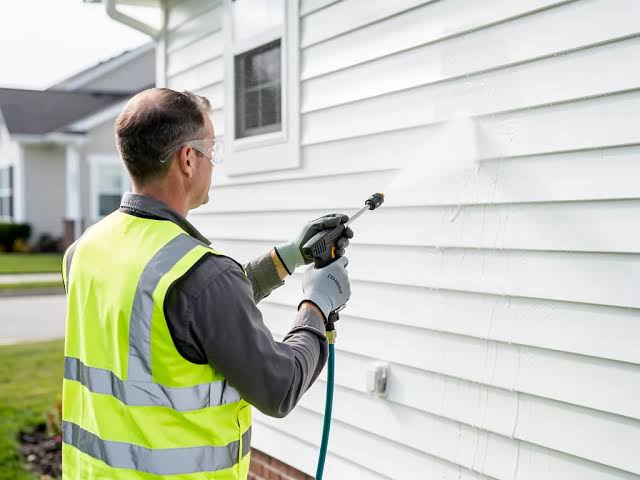
Maintaining a clean exterior is an important part of protecting a property’s appearance, preserving building materials, and preventing dirt and organic growth from becoming difficult maintenance problems. Over time, roofs, siding, gutters, exterior walls, and other outdoor surfaces accumulate dust, pollen, algae, mildew, and environmental residue that can make a property look neglected. Traditional high-pressure washing may be suitable for certain durable surfaces, but delicate materials often require a gentler approach that removes contamination without unnecessary force. Soft washing offers an effective solution by combining low-pressure water application with suitable cleaning treatments designed to address dirt and organic growth. This method is particularly useful for exterior surfaces that need careful handling, helping property owners maintain a cleaner appearance while reducing the risk of damage caused by excessive water pressure.
Many property owners assume that stronger water pressure automatically produces better cleaning results, but the most effective approach depends on the surface material and the type of contamination involved. Roofing shingles, painted siding, trim, and other vulnerable exterior components can be affected by aggressive washing if the equipment is used incorrectly. Soft washing focuses on treating the underlying contamination rather than relying entirely on mechanical force, allowing appropriate cleaning solutions to loosen or eliminate unwanted organic growth before controlled rinsing takes place when needed. When performed by experienced professionals using suitable products and procedures, this approach can support exterior maintenance, improve curb appeal, and help protect surfaces that require a more careful cleaning process.
Understanding How Soft Washing Works
Soft washing is a low-pressure exterior cleaning technique that uses specially selected cleaning solutions to address dirt, algae, mildew, and other organic contaminants. Instead of relying on powerful water streams to force debris from a surface, the process applies a suitable treatment that works against the buildup before any necessary rinsing is completed. The exact procedure depends on the surface being cleaned, the condition of the material, and the type of contamination present. Professional soft washing begins with an assessment to determine which treatment is appropriate, how it should be applied, and what precautions are needed to protect surrounding areas. This preparation helps ensure that the cleaning process addresses the actual problem without exposing the property to unnecessary risks.The cleaning solutions used during the process are selected according to the material and the contamination being treated. Some organic growth responds well to carefully formulated treatments, while accumulated dirt or other residues may require additional attention. Technicians must follow product instructions, use appropriate concentrations, and control application so that the treatment remains suitable for the intended surface. Effective soft washing also involves considering nearby landscaping, outdoor furniture, windows, drainage systems, and other property features that could be affected by cleaning runoff. Professional preparation and careful handling are important because a cleaning method should improve the condition of the property without creating avoidable damage to surrounding materials or vegetation.
Why Soft Washing Is Ideal for Roof Maintenance
Roofs are constantly exposed to sunlight, rainfall, wind, dust, and organic debris, making them particularly vulnerable to discoloration and surface buildup. Asphalt shingles may develop dark streaks associated with algae, while tiles and other roofing materials can accumulate moss, mildew, and dirt in textured areas. These contaminants may affect the roof’s appearance and, in some situations, contribute to moisture retention or interfere with proper drainage. Soft washing can be an appropriate option for certain roofing materials because it uses controlled application and lower water pressure rather than aggressive streams that may damage vulnerable surfaces. The cleaning method should always follow manufacturer recommendations and account for the roof’s age, condition, and material type.High-pressure washing can create unnecessary problems when used on roofing systems that are not designed to withstand forceful water application. Excessive pressure may remove protective granules from asphalt shingles, disturb roofing components, or force water beneath overlapping materials. By contrast, properly planned soft washing addresses suitable organic contamination through targeted treatment, helping reduce the need for aggressive scrubbing or high-pressure rinsing. However, no cleaning technique can compensate for a roof that already has serious structural defects, loose shingles, or deteriorated flashing. Before work begins, the roof should be evaluated for visible damage, and any necessary repairs should be considered so that the cleaning process does not worsen existing weaknesses.
Protecting Siding and Exterior Walls
Siding plays an important role in protecting the building envelope while contributing significantly to a property’s visual appearance. Vinyl siding, painted wood, fiber cement, and other exterior materials can collect dust, pollen, algae, and mildew, particularly in shaded areas or places exposed to persistent moisture. Over time, the accumulation of contaminants may create uneven discoloration and make the exterior look older than it is. Soft washing can help remove suitable buildup from many siding materials by applying an appropriate cleaning treatment with controlled pressure. The process should be adjusted to the siding type, its condition, and the manufacturer’s maintenance recommendations to avoid damaging paint, protective coatings, seals, or delicate surface finishes.Exterior walls also contain joints, seams, windows, vents, and other features that require careful attention during cleaning. Directing excessive water into these areas may cause moisture intrusion or disturb vulnerable components, especially if the building already has damaged caulking or deteriorated seals. Professional soft washing considers the direction of application, the sensitivity of the material, and the condition of surrounding fixtures to help minimize these risks. Technicians should identify damaged sections before cleaning and avoid treating surfaces in ways that could make existing defects worse. With appropriate preparation, gentle application, and proper product selection, exterior cleaning can improve the appearance of siding while supporting a sensible long-term maintenance plan.
Removing Algae, Mildew, and Organic Growth
Algae and mildew are common causes of exterior discoloration because they can develop on surfaces that remain damp or receive limited sunlight. Green patches, dark streaks, and uneven stains may appear on roofs, siding, fences, and other outdoor features, making a property look less attractive. Moss can present additional concerns when it develops on roofing materials or in areas where it retains moisture and interferes with drainage. Soft washing is often used to treat suitable organic growth because the cleaning solution can target contamination without depending on excessive water pressure. The effectiveness of the treatment depends on the type of growth, the material being cleaned, and the proper use of the selected product.Removing visible growth is only one part of managing recurring contamination. Shaded areas, overhanging trees, persistent moisture, and poor drainage may encourage algae or mildew to return if these contributing conditions remain unchanged. An effective soft washing service can help property owners identify environmental factors that may be contributing to recurring stains and determine whether additional maintenance is appropriate. Trimming vegetation where practical, keeping gutters clear, and addressing drainage concerns can support cleaner exterior surfaces between treatments. Although no cleaning service can guarantee that organic growth will never return, combining suitable treatment with preventive maintenance can help manage buildup and reduce the likelihood of recurring exterior cleaning problems.
The Benefits of Professional Soft Washing
Professional exterior cleaning provides more than an immediate improvement in appearance because trained technicians can evaluate the property and select a suitable approach for different materials. Surfaces that appear similar may respond differently to cleaning treatments, and an incorrect method can lead to fading, surface deterioration, water intrusion, or damage to protective finishes. Professional soft washing takes these differences into account by considering the condition of the building, the type of contamination, and the appropriate cleaning procedure. Experienced technicians can also identify visible maintenance concerns, such as deteriorated seals, damaged siding, blocked gutters, or roofing components that may require separate attention before cleaning begins.Safety is another important consideration, especially when exterior surfaces are elevated or difficult to reach. Roofs, upper-story siding, and areas around gutters may require ladders, access equipment, fall protection, and careful control of water and cleaning products. Attempting to clean these areas without appropriate training can expose property owners to falls and other preventable hazards. A professional soft washing service can help reduce these risks by using suitable equipment and following established safety procedures. Property owners should ask about the cleaning products being used, precautions for protecting landscaping, and the provider’s experience with the specific surfaces on their property before authorizing the work.
Preparing a Property for Soft Washing
Proper preparation helps ensure that an exterior cleaning project proceeds safely and produces consistent results. Before starting, technicians should examine the areas being cleaned, identify fragile materials, and note any existing damage that could be affected by water or cleaning solutions. Outdoor furniture, decorative objects, and portable equipment may need to be moved away from the work area, while sensitive plants and other landscaping features may require suitable protection. Professional soft washing should include a clear plan for managing runoff and protecting nearby surfaces so that the cleaning process does not cause unnecessary problems outside the intended work area.Windows, doors, electrical components, outdoor outlets, and other vulnerable features should also be considered during preparation. Existing gaps, damaged seals, and deteriorated caulking may allow water to enter the building if they are exposed to inappropriate application techniques. Technicians should follow suitable procedures for the surface being cleaned and avoid directing water into openings or areas that cannot safely tolerate moisture. Responsible soft washing also requires careful handling of cleaning products, including following label instructions and avoiding unsafe chemical mixtures. Property owners can help by communicating known concerns, identifying areas with previous water intrusion, and ensuring that access to the work area is clear before the service begins.
Protecting Landscaping and Surrounding Surfaces
Landscaping is an important part of a property’s appearance, but plants, shrubs, lawns, and flower beds can be sensitive to certain cleaning solutions. Improper chemical application or uncontrolled runoff may damage vegetation and create avoidable cleanup requirements. During soft washing, appropriate precautions should be taken to protect plants and other nearby features according to the cleaning product’s instructions and the conditions at the property. These precautions may include controlling runoff, protecting sensitive areas, and using suitable rinsing or mitigation procedures when required. The exact measures depend on the cleaning product, the surface, and the surrounding environment, so technicians should plan them before applying the treatment.Surrounding building materials also deserve attention because cleaning runoff can affect painted surfaces, outdoor fixtures, walkways, and other nearby features. Professional soft washing should be carried out with appropriate control over where cleaning solutions are applied and how excess liquid is managed. Property owners should discuss concerns involving delicate plants, water features, pets, and nearby drainage systems before the work begins. When cleaning is planned carefully, the service can improve the appearance of the targeted exterior surfaces while minimizing the chance of unwanted effects on the rest of the property. Good preparation and responsible cleanup are essential parts of a complete exterior maintenance service.
Soft Washing Compared With Pressure Washing
Although soft washing and pressure washing are both used for exterior maintenance, they serve different purposes and should not be treated as interchangeable techniques. Pressure washing relies on the mechanical force of water to remove dirt, residue, and other buildup from suitable durable surfaces. It may be appropriate for certain concrete areas and other materials when the equipment is configured correctly. Soft washing, on the other hand, emphasizes the use of suitable cleaning solutions and low-pressure application to address contamination on surfaces that may be vulnerable to forceful water streams. The most appropriate choice depends on the material, the condition of the surface, and the type of buildup that needs to be removed.Using the wrong technique can create problems even when the operator has good intentions. High pressure may damage delicate siding, roofing shingles, protective coatings, or vulnerable joints, while an unsuitable chemical treatment may discolor or deteriorate certain materials. Effective soft washing requires more than simply reducing the pressure setting; it involves selecting compatible products, controlling application, and following appropriate safety and rinsing procedures. Likewise, pressure washing should be reserved for surfaces that can tolerate it and performed with equipment settings suitable for the task. A professional assessment helps determine which method, or combination of methods, is most appropriate for each part of the property.
Maintaining a Cleaner Exterior Between Services
Regular maintenance can help extend the benefits of professional exterior cleaning and reduce the amount of contamination that accumulates between appointments. Keeping gutters clear, removing loose debris from accessible areas, and trimming overhanging branches where appropriate can help reduce moisture retention and organic buildup. Property owners should also address leaking gutters, damaged downspouts, and other drainage issues that allow water to collect near exterior walls or roofing components. After soft washing, these preventive steps can help maintain a cleaner appearance and make future maintenance easier. Any work involving steep roofs, high surfaces, or potentially hazardous equipment should be left to qualified professionals rather than attempted without proper safety measures.Periodic visual inspections are another useful part of exterior maintenance. Looking for new algae streaks, mildew patches, peeling paint, blocked drainage pathways, and signs of moisture intrusion can help property owners identify developing concerns before they become more extensive. A suitable soft washing schedule should depend on the condition of the property, the types of surfaces involved, environmental exposure, and the manufacturer’s maintenance guidance. Cleaning too frequently or using inappropriate treatments can be unnecessary and may contribute to surface wear, while waiting until contamination becomes severe can make maintenance more complicated. A balanced approach combines regular observation, timely cleaning when needed, and repairs that address the underlying causes of recurring problems.
Conclusion
Keeping a property’s exterior clean is an important part of maintaining its appearance, protecting vulnerable materials, and identifying potential maintenance concerns before they become expensive problems. Roofs, siding, painted surfaces, and other exterior components are regularly exposed to dirt, pollen, algae, mildew, and changing weather conditions. Soft washing provides a gentle cleaning option for suitable surfaces by using low-pressure application and appropriate treatments to address contamination without relying on aggressive water force. When performed with careful preparation, compatible products, and responsible safety procedures, this method can help property owners maintain a cleaner exterior while reducing the risk of damage associated with unsuitable cleaning techniques.Choosing an experienced exterior cleaning provider is particularly valuable when dealing with elevated surfaces, delicate materials, persistent organic growth, or areas that are difficult to access safely. Mallard Systems offers exterior cleaning services that property owners can explore when considering the maintenance needs of their building. A well-planned soft washing service, combined with gutter maintenance, vegetation management, drainage improvements, and regular inspections, can support a more consistent exterior care routine. By addressing contamination carefully and taking preventive measures between appointments, property owners can preserve the appearance of their buildings, protect important exterior components, and make more informed decisions about ongoing maintenance.
