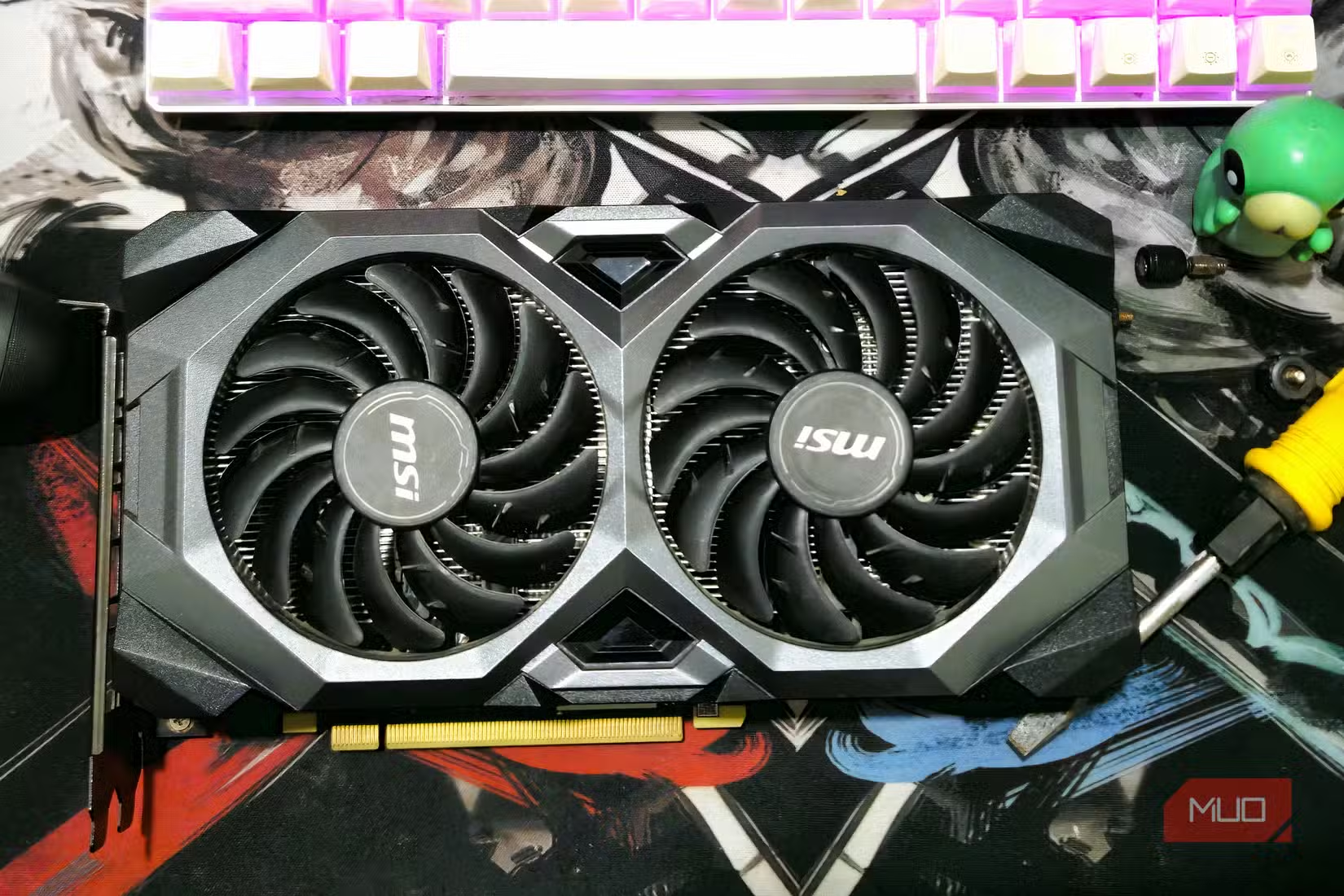
The used GPU market still attracts buyers because new graphics cards remain expensive at the high end, street pricing does not always line up with launch pricing, and many shoppers do not actually need the newest generation to get strong gaming or creator performance.
NVIDIA’s current RTX 5080 page still presents the card as a premium Blackwell product with AI-focused features, which helps explain why many buyers continue comparing older models instead of moving straight to the latest release.
That does not mean every used card is a smart buy. The better results usually come from understanding which generations carry more risk, how to judge the seller, and how to test the card properly after purchase.
This guide explains why buyers still look at used GPUs, how the post-mining market changed the risk profile, and what to check whether you are buying a card or planning to sell one.
New GPU Prices Are Pushing Buyers to the Used Market
Current-gen GPU Pricing Challenges
The biggest reason buyers keep turning to used GPUs is simple: new-card pricing is still difficult in parts of the market. TechSpot’s Q1 2026 pricing update said “GPU pricing is broken again” and described many Nvidia and AMD cards as selling above expected levels.
PC Gamer’s April 2026 GPU price watch also noted that several higher-end current-generation GPUs were selling above MSRP, especially in the U.S.
That does not need to be tied to a long list of speculative causes to make the point. When new cards remain expensive or inconsistent at retail, the used market becomes more attractive by default.
MSRP vs. Actual Street Pricing
MSRP is useful as a launch reference, but it does not always reflect what buyers can actually pay. Both TechSpot’s Q1 2026 pricing update and PC Gamer’s current price-watch coverage show why shoppers need to compare live pricing rather than rely on launch numbers alone.
That is why used-card comparisons should be based on current listings, current retail alternatives, and actual availability in the market where you are shopping. A used deal only makes sense if it is meaningfully better than the real new-card options in front of you, not just better than an old MSRP that is no longer relevant.
How Used GPUs Compare To New Cards
Used GPUs still make sense when they deliver enough real-world performance for your target resolution at a clear discount to current new cards. That is especially true for buyers who care more about value than having the newest architecture or every new AI-focused feature.
The safer way to frame this is not to lock in a “best value” ranking that could change next week. It is to compare the used card to the actual new-card alternatives you could buy right now, then decide whether the age, warranty risk, and condition are worth the savings.
The Mining Era Changed the Risk Profile
Why Mining GPUs Were Risky
Mining did not automatically ruin every GPU, but it did change the questions buyers should ask. Long periods of high-load operation can increase wear on fans, thermal pads, and other surrounding components, especially if the card was run hot or maintained poorly.
The main concern is often not the GPU silicon alone, but the supporting parts that age under constant heat and mechanical stress.
When Cryptocurrency Mining Became Less Relevant
One major turning point was Ethereum’s move away from proof of work. Ethereum.org states that The Merge was executed on September 15, 2022, completing Ethereum’s transition to proof of stake and officially deprecating proof-of-work mining. That change removed the biggest GPU-mining use case and materially changed the used-card market.
That does not mean all mining-related risk disappeared overnight, but it does mean later cards are generally less exposed to the same Ethereum-mining history that affected many older models.
Which Generations Are Safer Bets
As a general rule, later-generation consumer cards are less likely to come with heavy Ethereum-mining histories than some older cards sold during the peak mining era. That does not make newer used cards risk-free, but it does remove one major concern.
Earlier cards can still be fine purchases, but they deserve closer checks for fan noise, thermals, seller history, and proof of normal use.
Better Platforms and Protection for Buying Used GPUs
Platform Choice Matters
The safest buying experience usually comes from platforms with clear buyer protections, visible seller history, and dispute processes that actually work. Even then, the marketplace itself is only one layer of protection. Seller quality, return terms, actual photos, and post-purchase testing still matter.
Red Flags When Buying Used GPU Hardware
Some warning signs stay consistent:
- stock photos instead of real pictures
- vague descriptions with no testing details
- prices that sit far below the rest of the market
- sellers who avoid technical questions
- No temperature, load, or usage information on older cards
These checks are usually more useful than assuming any single marketplace will screen out bad listings for you.
Local Buying Still Needs Caution
If you buy locally, a short life test, visual inspection, and a record of the exact model are worth more than saving a little money with a rushed deal. A used GPU should be treated like any other high-value electronic component: verify it first, then pay.
Performance Value and Upgrade Opportunities
Where Used GPUs Still Shine
Used GPUs still make the most sense for buyers targeting strong 1080p or 1440p performance without paying for the newest premium-tier features. Older high-end cards can remain relevant because they started with strong raw performance and may still meet the needs of buyers who are not chasing the latest generation.
VRAM Can Still Matter
One reason older upper-tier cards stay relevant is memory capacity. Cards with more VRAM can continue to hold up well in demanding games and creative workloads, especially when compared with lower-tier new cards that may look better on paper but offer less memory headroom in practice.
Test The Card After Purchase
A used GPU should be tested as soon as it arrives. Load testing, temperature checks, fan-noise checks, artifact checks, and real gaming or workload sessions are all more useful than trusting a single idle screenshot. The exact benchmark routine can vary, but immediate testing is one of the most important parts of buying used hardware safely.
When It Makes Sense to Sell Instead of Hold
The used market is not only for buyers. It also matters for owners deciding when to move older cards before demand softens further.
Why Timing Matters
Waiting too long can reduce resale value as newer generations settle in, retail availability improves, or buyer attention shifts elsewhere. If a card still has buyer interest and you already know you plan to replace it, selling earlier often gives you a better outcome than waiting until the market has clearly moved on.
A Structured Way To Sell Used GPUs
For owners who want a more organized resale path, Big Data Supply buys used GPUs in bulk across multiple brands and backs the process with free value audits, chain-of-custody tracking, and recycling support for non-resalable units, making it a practical fit for owners who want a more structured offloading path.
Conclusion
The used GPU market still makes sense because new-card pricing remains uneven, older enthusiast cards can still offer strong real-world performance, and buyer risk is easier to manage when you compare live prices and inspect the seller carefully.
Mining-era concerns still matter for some generations, but they are no longer a blanket reason to avoid the secondhand market altogether.
The best results usually come from comparing current listings, focusing on condition and testing, and knowing when it is smarter to buy used versus wait for a new card.
