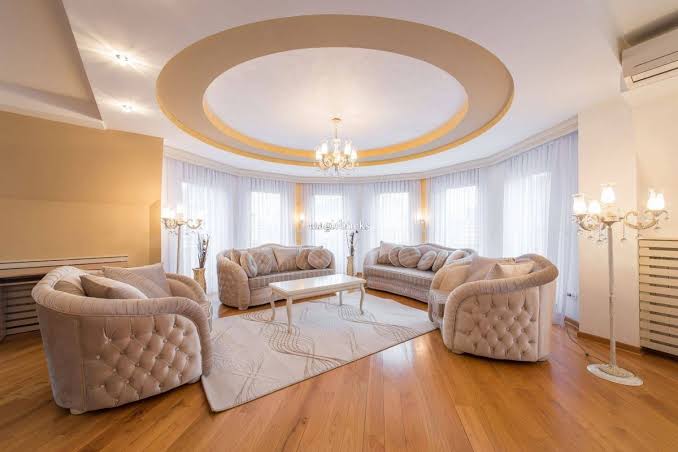
Few questions come up more often during interior planning than how much a false ceiling will cost. The honest answer is that it varies widely, depending on material, design complexity, room size, lighting, and the city where you live. Instead of chasing a single number, it is more helpful to understand the factors that influence the quote so that you can budget realistically and compare estimates fairly.
Material Selection
The surface material is the most visible cost driver. PVC panels are generally the most economical, gypsum boards fall in the mid-range, and elaborate POP or specialised finishes such as wood, metal, or stretch fabric cost more. Within each category, brand and thickness matter. Branded gypsum boards and galvanised steel frames cost more than generic alternatives, but they usually offer better consistency and longevity. As a rough indication, many Indian metros see plain gypsum work priced somewhere between seventy and one hundred and fifty rupees per square foot, though rates change with location and time, so always collect current quotes.
Design Complexity
A simple flat ceiling takes less time and fewer materials than a multi-level design with curves, coves, and decorative niches. Each additional tier increases framing, cutting, jointing, and finishing work. Curved sections in particular require skilled labour and extra care. If budget is tight, concentrate the detailing in one prominent room, such as the living area, and keep other rooms simple.
Lighting and Electrical Work
Spotlights, cove strips, drivers, and dimmers add cost, and so does the electrician’s time for wiring and testing. Quality LED fixtures with proper heat management are worth the investment, since replacing failed lights inside a finished ceiling is inconvenient. Ask whether the quote includes fixtures or only the structural work, because this is a common source of confusion.
Finishing, Paint and Extras
Putty, primer, and paint are often priced separately. Premium finishes, textured paint, and wallpaper panels increase the total. Insulation, acoustic padding, and access hatches are additional items that improve performance but need to be included in the estimate. Do not forget removal and cleanup of old ceilings if you are renovating.
Labour, Location and Timing
Labour rates differ across cities, and high-demand periods such as festival seasons may push prices up. A skilled team that finishes cleanly and on time may charge more, but it can prevent rework that costs far more later. Request an itemised quotation that separates materials, labour, lighting, and paint so you can see exactly where your money goes.
Tips for Staying on Budget
Set a clear budget before you meet designers, prioritise high-visibility rooms, and ask for alternative options at different price points. Avoid last-minute changes during installation, since they are costly. Finally, compare quotes on the same specifications rather than on the headline price alone.
It is wise to think about the cost of future maintenance as well as the initial installation price. A slightly better board or sealed finish may save you from repainting or repairing within a few years. Also consider how the ceiling will accommodate upgrades, such as adding a new light or relocating a vent. Flexibility built into the design now can prevent expensive alterations later and make the overall investment more worthwhile.
To get a sense of what different styles involve, you can explore a gallery of false ceiling designs and note which ones match your budget and taste. If you also want a wider perspective on overhead finishes and pricing considerations, a look at available ceiling options will give you useful reference points before you finalise your plan.
