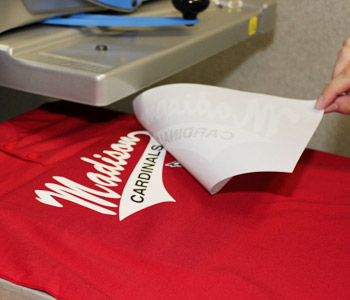
Custom shirt printing has become much easier for small businesses, crafters, and home creators, but getting professional results still depends on using the right combination of equipment and materials. A reliable T shirt heat press, quality sublimation paper, and suitable heat-transfer vinyl can turn a simple blank shirt into a polished custom product. The key is understanding what each material does, which fabric it works with, and how heat, pressure, and application time affect the final result. Current heat-press guidance continues to emphasize that settings should be matched to the specific material rather than treating every transfer the same way.
Choosing the Right Heat Press for Shirt Printing
A T-shirt heat press is the foundation of many apparel-printing setups because it provides controlled heat and pressure for applying transfers. For everyday shirts, a 15×15 shirt heat press offers a useful working area for standard front and back designs without taking up the space of a large commercial machine. If production volume increases, a pneumatic heat press machine can provide more consistent pressure with less manual effort. A dual-station heat press can also improve workflow because one shirt can be prepared while another is being pressed, making it a practical option for repeated orders.
For businesses handling regular customer work, a professional shirt pressing machine can be a worthwhile investment. Features such as digital temperature controls, adjustable pressure, automatic operation, and dependable heating can make repeated applications more consistent. The exact settings still depend on the material; for example, current HTVRONT guidance lists standard HTV around 145–150°C for 15 seconds, while sublimation on polyester commonly uses around 200°C for 40 seconds.
Understanding Sublimation Paper and Heat Transfer Vinyl
Sublimation paper is designed to carry sublimation ink before heat transfers the image onto a suitable coated surface, most commonly polyester fabric. Different paper types serve different purposes. Tacky sublimation paper can help keep the print positioned during pressing, while sportswear sublimation paper is useful for polyester athletic garments. High-release sublimation paper is designed to release ink efficiently during heating, and fast-dry sublimation paper can be convenient when several prints need to be prepared quickly. Current sublimation guides identify fast-dry, tacky, and high-release papers as distinct paper categories.
Sublimation is particularly useful when you want vibrant, detailed designs that become part of the suitable polyester surface rather than sitting as a thick layer on top. However, traditional sublimation is not the same as HTV and is generally not the first choice for untreated cotton shirts. Choosing the correct fabric and substrate before printing can prevent faded colors, weak transfers, and wasted materials.
Heat transfer vinyl, on the other hand, is a versatile option for many apparel projects. Printable HTV vinyl is useful for detailed or multicolor artwork, while glitter HTV for shirts adds a sparkling decorative finish. If the garment needs to stretch, stretchable HTV vinyl can provide a more suitable solution because the material is designed for flexible applications. HTV vinyl rolls are especially convenient for larger projects or repeated orders because they provide a continuous supply of material.
Matching Materials With Your Printing Workflow
The best results come from treating your equipment, fabric, and transfer material as one system. Before pressing a final shirt, check the manufacturer’s recommended temperature, pressure, pressing time, and peel method. For example, current HTVRONT guidance gives different settings for standard HTV, glitter HTV, printable HTV, and sublimation paper, showing why one universal setting is not appropriate for every project.
Pre-pressing the garment can also help remove moisture and wrinkles before applying a transfer, while heat-resistant tape can keep sublimation paper from shifting.
Whether you are starting with a compact 15×15 shirt heat press or upgrading to a dual-station heat press, consistent preparation is just as important as the machine itself.
Conclusion
Successful custom apparel printing is less about buying the most expensive equipment and more about choosing compatible materials and using them correctly. A dependable T shirt heat press, suitable sublimation paper, and the right heat transfer vinyl give you several ways to create professional shirts for different fabrics and design styles. From tacky and fast-dry sublimation paper to printable, glitter, and stretchable HTV, each material has a specific role. Match those materials with the correct heat, pressure, and timing, and your printing workflow can become more reliable, efficient, and ready for both personal projects and growing business orders.

1 thought on “Custom Shirt Printing Essentials: Heat Press, Sublimation Paper and HTV Explained”