You’ve nailed the perfect fade, trimmed your beard to match your face shape, and then — nick. A razor slip near the jaw, a nosebleed from an aggressive brow pluck, or a burn from a curling iron left on too long. Most grooming mishaps are minor. But knowing basic first aid means the difference between a five-minute fix and a trip to urgent care. It’s not glamorous, but it might be one of the most useful skills you can add to your self-care routine.
Why Do Grooming Routines Cause So Many Small Injuries?
Think about how many sharp or hot tools live in a typical bathroom cabinet. Razors, tweezers, curling irons, straighteners, nail clippers, even electric trimmers — they’re all designed to get close to skin, which means small slips happen more than people admit.
A razor nick along the jawline. A curling iron burn on the ear or neck. An ingrown hair that gets infected after a bad tweezing session. None of these are emergencies on their own, but they add up, and most people have no real plan beyond “grab a tissue and hope.”
What Should Be in Every At-Home First Aid Kit?
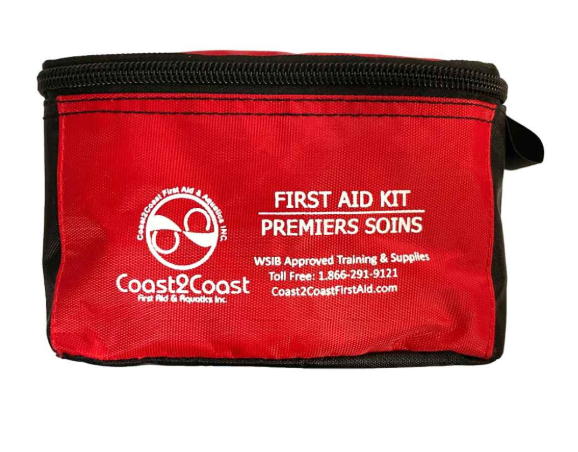
A proper kit takes up almost no space and solves most grooming mishaps on the spot:
- Antiseptic wipes or solution
- Sterile gauze and adhesive bandages in a few sizes
- A styptic pencil for razor nicks
- Clean tweezers for splinters or ingrown hairs
- An instant cold pack for burns
- Antibiotic ointment
Keep it in the same drawer as your grooming tools, not buried in a hallway closet. The point is speed — you want to treat a nick before it becomes a bigger irritation.
When Does a “Minor” Cut Actually Need Medical Attention?
Most nicks stop bleeding with a few minutes of direct pressure. But a few signs mean it’s time to stop treating it at home:
- Bleeding that hasn’t slowed after 10 minutes of firm, direct pressure
- A cut deep enough that you can see fat or muscle underneath
- Redness, swelling, or warmth spreading days later, which can signal infection
- Any injury close to the eye
Knowing where that line sits isn’t obvious unless someone’s actually taught you. That’s the gap most people don’t notice until they’re standing in the bathroom holding a bloody towel and guessing.
Does Your Styling Routine Change Your Risk?
Some routines carry more nick-and-burn risk than others. Anyone regularly using clippers to keep a beard tight along the jaw, or using heat tools to add waves and volume, is working with tools that can cause a real injury in a split second of distraction.
Electric trimmers catch skin more often than people expect, especially around the ear and jawline where the skin is thinner. Heat styling tools cause more burns than razors do, mostly because people forget how long a hot barrel stays hot after it’s switched off. None of this means you should change your routine — it just means the tools doing the most for your look are also the ones worth knowing how to handle safely.
Could Formal First Aid Training Actually Help With This?
It sounds like overkill for a shaving cut, and in isolation, it kind of is. But grooming injuries are really just a small, low-stakes entry point into a broader skill set — wound care, burn treatment, and knowing when something needs more than a bandage.
Because these are the same courses Ontario employers rely on to meet WSIB and Ontario OHSA workplace safety requirements, they’re built to a real clinical standard rather than pieced together from online tutorials. You’re learning the same wound care and emergency response skills a workplace first aider would use, just applied to your own bathroom instead of a job site.
What Does a Real Course Actually Cover?
A standard first aid course goes well beyond “put pressure on it.” Expect to learn:
- Wound care and bleeding control, including when a cut needs stitches
- Burn treatment, from minor curling-iron burns to more serious ones
- CPR and AED use, for choking or cardiac emergencies at home
- Recognizing infection, so you’re not guessing at redness and swelling
- When to call for help, instead of waiting it out
Most people walk in expecting a refresher and walk out realizing how much they didn’t know about treating everyday injuries.
Where Can You Actually Learn This Stuff?
Look for a course through a recognized provider — Red Cross or Heart & Stroke Foundation affiliation is a good baseline, since it means the curriculum meets a national standard rather than a shortened version built for speed.
Many providers now offer a blended format: you complete the theory portion online, on your own time, then attend a shorter in-person session to practice hands-on skills like bandaging and CPR. If you visit their website, most accredited providers list their course formats and certification details directly, which makes comparing options fairly painless.
Is This Really Worth the Time Investment?
Certifications typically last three years, so this isn’t a recurring chore — it’s a one-time afternoon that pays off every time you or someone in your household has a minor accident. Given how often small nicks, burns, and cuts actually happen during routine grooming, it’s a reasonable trade.
If you are in the Oakville area, near South Service Road East and Ford Drive along the QEW corridor, you may reach out to Coast2Coast First Aid & Aquatics in that area.
FAQs
Q: What’s the best way to stop a razor cut from bleeding?
A: Apply firm, direct pressure with a clean cloth or gauze for a few minutes. A styptic pencil can help close small nicks faster. If bleeding hasn’t slowed after 10 minutes, it may need more than home treatment.
Q: How do you treat a curling iron or straightener burn?
A: Cool the area under lukewarm running water for several minutes, avoid ice directly on the skin, and cover loosely with a clean, non-stick dressing. Blistering or a burn larger than a coin should be checked by a professional.
Q: Do I really need a first aid course just for grooming injuries?
A: Not specifically, but grooming mishaps are a low-stakes way to notice the gap. A basic first aid course covers wound care, burns, and emergency response for far more than bathroom accidents.
Q: How long does a first aid certification last?
A: Most certifications, including CPR/AED, are valid for about three years before renewal is required.
Q: What’s the difference between online and in-person first aid training?
A: Online-only courses cover theory but can’t certify hands-on skills like CPR compressions or bandaging technique. A blended format pairs online theory with a shorter in-person skills session
