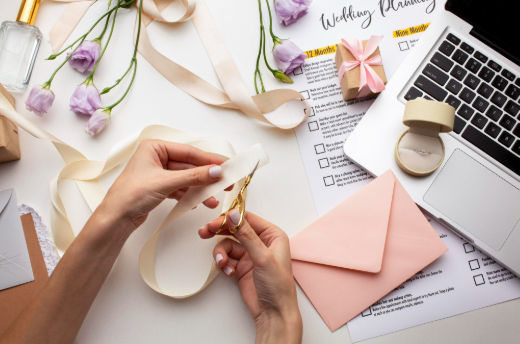
Planning a wedding often involves many visual decisions, from the dress and hairstyle to jewelry, makeup, flowers, and the overall color palette. While invitations are usually treated as a practical way to share event details, they can also introduce guests to the style and atmosphere of the celebration. Choosing an invitation that complements the wedding’s fashion and aesthetic can make the entire event feel more thoughtfully coordinated.
Start With Your Wedding Style
Before choosing an invitation design, think about the overall style you want for the wedding. A formal evening celebration may call for an elegant invitation with refined typography and subtle decorative details, while a relaxed outdoor wedding could work better with softer colors, botanical elements, or a more informal layout.
The invitation does not need to copy every detail of the wedding. Instead, it can borrow one or two recognizable elements, such as the color palette, floral theme, or overall level of formality. This creates a visual connection without making the invitation feel overly complicated.
Consider the Fashion Inspiration
Fashion can provide useful inspiration when deciding how an invitation should look. For example, a wedding built around a classic bridal style might pair naturally with clean typography, balanced spacing, and traditional decorative details. A modern celebration could use bold lettering, minimalist layouts, or contemporary color combinations.
The bride’s accessories can also provide inspiration. Jewelry, shoes, hair accessories, and even fabric textures can suggest colors and design details that work well throughout the wedding stationery. Looking at these elements together can help create a more consistent visual identity.
Think About Face Shape and Hairstyle
For brides and wedding guests who are interested in personal styling, face shape can also influence the overall fashion direction of a wedding look. An oblong face, for example, is generally longer than it is wide, so styling recommendations often focus on adding visual width rather than additional height. Hairstyles such as curtain bangs, chin-length bobs, and soft waves can create horizontal movement around the face.
These styling choices can become part of the broader inspiration for the wedding aesthetic. If the bridal look emphasizes soft waves, wide accessories, or balanced proportions, similar visual ideas can appear subtly in the invitation through curved details, horizontal layouts, or softer decorative elements.
The goal is not to make the invitation literally match a hairstyle. Instead, it is about creating a visual language that feels consistent across the bride’s appearance, the stationery, and the event itself.
Choose Colors That Work Across the Wedding
Color is one of the easiest ways to connect an invitation with a wedding’s fashion and beauty choices. Look at the dress, bridesmaid outfits, flowers, venue decorations, and accessories before selecting the invitation palette.
Neutral shades can provide a timeless foundation, while a carefully chosen accent color can add personality. For example, a wedding featuring champagne accessories might use warm beige or muted gold details in the invitation. A celebration with pastel clothing and floral arrangements might benefit from similarly soft tones.
Using too many colors can make the design feel disconnected, so choosing a small palette is often enough to establish consistency.
Keep the Invitation Easy to Read
A stylish invitation still needs to communicate essential information clearly. The names of the couple, event date, time, location, and RSVP instructions should be easy to identify without searching through decorative elements.
Typography plays an important role here. Decorative fonts can be attractive for names or headings, but highly stylized lettering may be difficult to read when used for important details. Combining an expressive heading font with a simple body font can provide both personality and clarity.
Match the Invitation to the Event’s Formality
The invitation should also give guests an idea of what to expect. A formal wedding might use an elegant and structured design, while a beach ceremony, garden celebration, or casual reception can have a lighter visual approach.
This is particularly helpful when guests are deciding what to wear. The invitation can subtly communicate whether the occasion is sophisticated and formal, modern and fashionable, or relaxed and intimate.
Use Digital Design Tools for More Flexibility
Digital design tools make it easier to experiment with different invitation styles before settling on a final version. Couples can test combinations of fonts, colors, images, and layouts to see which direction works best with their wedding aesthetic.
This can be especially useful when the wedding look is already influenced by fashion. A couple can experiment with designs inspired by their outfits, accessories, flowers, or venue before sharing the finished invitation with guests.
Digital invitations can also make it easier to distribute event information quickly and update details when necessary. This flexibility is useful when planning schedules, RSVP deadlines, or other important wedding information.
Create a Consistent First Impression
A wedding invitation is one of the first visual elements guests’ encounter, so it can establish expectations for the celebration before the event begins. When its design complements the wedding’s fashion, colors, and overall atmosphere, it becomes more than a simple announcement.
From the bridal hairstyle and accessories to the invitation typography and color palette, small visual connections can make the entire wedding experience feel more cohesive. The most effective approach is not necessarily the most elaborate one. A few carefully selected details can be enough to connect the invitation with the couple’s personal style and the atmosphere they want to create.
Ultimately, wedding stationery should reflect the people behind the celebration. Whether the style is classic, modern, romantic, or relaxed, an invitation that combines clear information with thoughtful design can give guests a meaningful preview of what is to come.
